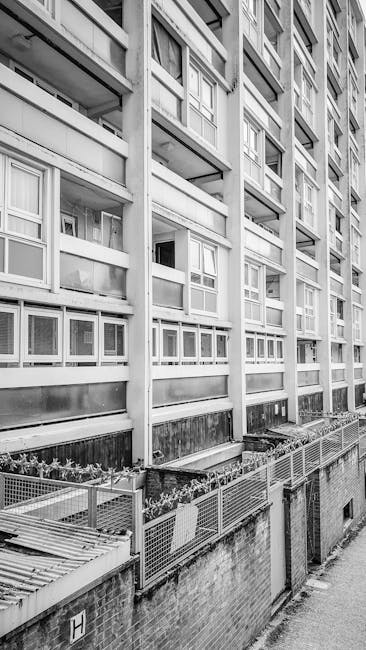
SE6 block of flats removals building access guide: a practical, local checklist for smoother moves
Moving out of a block of flats in SE6 sounds simple enough on paper. In reality, the lift is booked out, the corridor is narrow, the parking space is taken, and the concierge wants three different bits of information before the van even arrives. That is exactly why a SE6 block of flats removals building access guide matters. It helps you plan the move around the building, not against it.
If you are moving from Catford, Hither Green, Bellingham, or anywhere nearby, the access details can make the difference between a calm move and a stressful one. The good news? Most access problems are predictable. Once you know what to check, you can avoid the usual scramble at the front door, protect the building, and keep the move on schedule. Let's walk through it properly, without the fluff.
Table of Contents
- Why SE6 block of flats removals building access guide Matters
- How SE6 block of flats removals building access guide Works
- Key Benefits and Practical Advantages
- Who This Is For and When It Makes Sense
- Step-by-Step Guidance
- Expert Tips for Better Results
- Common Mistakes to Avoid
- Tools, Resources and Recommendations
- Law, Compliance, Standards, or Best Practice
- Options, Methods, or Comparison Table
- Case Study or Real-World Example
- Practical Checklist
- Conclusion
- Frequently Asked Questions
Why SE6 block of flats removals building access guide Matters
In a block of flats, access is rarely just "can the van get near the door?" It is a chain of small questions: Is there a lift? Does it require booking? Can the removal team use it? Are there restrictions on moving hours? Is the doorway wide enough for wardrobes and sofas? Can the vehicle park close enough to the entrance without blocking traffic or upsetting neighbours?
Miss one of those details and the whole day gets messy. Boxes stack up in the lobby. Somebody is waiting with a key. The removals team is carrying items up and down stairs because a lift was not reserved. And yes, you will hear that little metallic wheeze from a van door opening and closing all morning while everyone tries to make it work.
This guide matters because a flat move is as much about the building as it is about the belongings. A well-planned access arrangement reduces delays, lowers the chance of damage, and avoids awkward conversations with management or neighbours. It also helps you choose the right kind of moving support, whether you need full flat removals, a flexible man with van arrangement, or a larger vehicle such as a moving truck.
Expert summary: the best flat moves are not the fastest ones on the day, but the ones that are planned around the building before the van arrives.
How SE6 block of flats removals building access guide Works
Think of building access as the move's operating system. It sets the rules for where the team can park, how long they can stay, which entrances are usable, and whether heavy items can go through communal areas or only via a service route.
In practice, the process usually works like this:
- Pre-move access check. You confirm the building rules, parking options, lift use, and any time restrictions.
- Route planning. The removal team maps the shortest safe path from the property to the vehicle. Sounds basic, but it saves time.
- Vehicle choice. A smaller removal van may suit tight SE6 streets or limited access more than a larger lorry.
- Arrival and protection. Protective covers, floor runners, and careful handling are used where needed to reduce damage in hallways, lifts, and stairwells.
- Load-out. Items are moved in a sensible order, usually the heaviest and least fragile pieces first, with boxes and loose items filling the gaps.
- Sign-off. Final checks confirm nothing has been left behind, no access rules have been breached, and the flat is clear.
The exact process will vary from building to building. Some SE6 blocks are very straightforward, while others have awkward turns, tight staircases, or a lift that is "available" only if you book it 48 hours in advance. Truth be told, the rules are often more important than the floor number.
Key Benefits and Practical Advantages
A good access plan does more than keep the move tidy. It changes the whole experience.
- Less waiting time. You are not standing in the rain wondering where the key holder went.
- Lower risk of damage. Lifts, door frames, banisters, and walls all stay safer when the route is planned.
- Better neighbour relations. Nobody enjoys a removal van blocking a shared driveway for longer than necessary.
- Smarter vehicle sizing. A compact van may be easier in some SE6 streets than a bigger truck. In other cases, a truck with the right loading setup is the better call.
- More accurate timing. When access is clear, estimates are more realistic and the day feels far less chaotic.
- Improved packing decisions. If you know there are stairs or no lift, you can pack boxes with that in mind and avoid overloading them.
There is also a quieter benefit people do not always mention: confidence. Once the access details are sorted, the move feels under control. That alone can take a lot of pressure off, especially if you are juggling work, children, or a handover deadline.
If you are comparing movers, it can help to look at broader options too, such as removal services, removals, or even same-day removals when timing is tight. Not every move needs the same setup. That is the point.
Who This Is For and When It Makes Sense
This guide is for anyone moving into or out of a flat in SE6 where access might be limited, managed, or shared. So, quite a lot of people really.
It is especially useful if you are:
- moving from a top-floor flat without a lift
- living in a block with concierge or estate management
- sharing parking with other residents
- moving large furniture, white goods, or fragile items
- using a narrow staircase or tight hallway route
- trying to keep the move within a fixed time slot
- arranging a move while other residents are still in the building
It also makes sense for students, renters, landlords, and letting agents. A student move from a second-floor flat above a parade of shops is a very different animal from a ground-floor move with direct pavement access. Same postcode, different challenge.
If you are moving a mix of household items and a few bulky bits, you may find a man-and-van style service more practical. For larger household moves, home moves or house removals may be a better fit, especially if furniture needs dismantling and reassembly.
Step-by-Step Guidance
Here is the simple version of how to get building access right. No drama. Just a clear sequence.
- Ask for the building rules early. Check with the managing agent, landlord, concierge, or freeholder contact if one exists. Ask about lift booking, moving hours, loading bays, entry codes, and any restrictions on vans or lorries.
- Measure the awkward parts. Door widths, stair turns, lift dimensions, and ceiling heights matter more than people think. A wardrobe that clears the hallway may still fail on the final corner.
- Check parking before moving day. Find out where the vehicle can stop, how long it can stay, and whether you need a bay suspension or temporary arrangement. In busy parts of SE6, that can be the difference between one trip and ten.
- Tell the removal team about access in plain language. Be specific: "third floor, no lift, narrow stairwell, entry keypad, parking 20 metres away." Those details help far more than "normal access, I think."
- Plan the load order. Put bulky items close to the exit if possible. Pack essentials last so they come off first at the new place. It sounds obvious, but on moving day obvious things get forgotten.
- Protect shared areas. Use covers, blankets, and floor protection if needed. Communal spaces are where minor scrapes turn into complaints.
- Keep one person as access point of contact. If a door code changes, a lift booking needs confirming, or a neighbour needs reassurance, one named person should handle it.
- Do a final walk-through. Check cupboards, balconies, storage cages, meter cupboards, and behind doors. You would be amazed how often a charger or set of keys gets left in the last five minutes.
A small tip that saves headaches: keep the essentials bag near you, not in the van. Kettle lead, medications, phone charger, documents, snacks, and the one mug you actually like. Moving day gets long, and that mug will matter more than you expect at 8:40 p.m.
Expert Tips for Better Results
These are the details that tend to separate a smooth move from a stressful one.
- Book access before you book the van. If the building needs lift reservations or timed entry, work that out first. Vehicles are easier to reschedule than building permissions.
- Use the right service size. A smaller van can be easier in tighter SE6 side streets, while a larger vehicle may reduce back-and-forth trips. Match the vehicle to the access, not just the item count.
- Label boxes by room and priority. In a flat, that saves a huge amount of stair traffic and hallway shuffling.
- Warn neighbours politely. A quick note can prevent complaints before they start. It is a small thing, but it works.
- Keep fragile items separate from the bulk load. Glass, lamps, mirrors, and plants tend to suffer if they are wedged between heavy boxes.
- Allow for time buffers. One missed parking space can derail an otherwise tidy plan.
One thing I often suggest is thinking about the building as if you were moving a sofa through it while holding a cup of tea. If that sounds impossible, the route probably needs a second look.
If you are unsure whether to hire a larger crew or a smaller, flexible team, comparing removal companies can help you judge who understands access issues best. The cheapest option is not always the one that saves you time, and time is money here, even if nobody says it out loud.
Common Mistakes to Avoid
Most access problems are caused by simple assumptions. Here are the big ones.
- Assuming the lift can be used. Some buildings require booking, a key fob, or management approval.
- Ignoring parking restrictions. A van may stop legally for a moment, but not for the whole move.
- Underestimating staircases. A few extra floors can change everything, especially with heavy furniture.
- Not checking the route inside the building. Lifts and entrances are only part of the picture. Hallway bends and fire doors matter too.
- Packing boxes too heavily. Heavy boxes are harder to carry upstairs and more likely to split. That is a very unfun way to start the day.
- Forgetting building management notices. If your block needs advance notice, give it. Surprises are rarely welcome.
- Leaving access details until the morning of the move. By then, it is usually too late to fix anything cleanly.
A surprising number of delays come from just one missing key or one forgotten code. Everything else can be good, and still the whole job stalls at the front door.
Tools, Resources and Recommendations
You do not need a toolkit full of specialist gear, but a few practical items make a difference.
- Measuring tape. Check doors, lifts, and awkward gaps.
- Notebook or phone notes. Keep codes, contacts, and building instructions in one place.
- Labels and marker pens. These help more than fancy packing systems, honestly.
- Protective wrapping. Useful for banisters, mirrors, and delicate furniture edges.
- Floor protection or dust sheets. Helpful in communal corridors and entrances.
- Basic tool kit. Good for bed frames, curtain poles, and the occasional wobbly shelf.
For packing support, a service like packing and boxes can be useful if you are short on time or want a more structured setup. If the move is part of a bigger life change, storage can take pressure off when there is a gap between move-out and move-in dates. And if you are clearing furniture rather than taking it with you, furniture removals or furniture pick up may be more suitable.
Law, Compliance, Standards, or Best Practice
There is no single rulebook for every block of flats, but there are well-established UK norms that matter in practice. Building managers usually set their own moving procedures, especially in shared or managed properties. That may include lift bookings, damage deposits, weekday-only moves, or restrictions on large vehicles.
From a safety point of view, the main best practices are straightforward: protect communal areas, keep walkways clear, avoid overloading boxes, and make sure heavy lifting is done carefully. Removal teams should also have appropriate insurance and sensible handling procedures. If you are comparing providers, it is worth checking that they are clear about insurance and safety and that their working approach aligns with the expectations set out in the health and safety policy.
For the customer side, the best practice is simple too: disclose access constraints early, follow building rules, and keep communication open. If you are sharing corridors, lifts, or entrances with other residents, a bit of courtesy goes a long way. Sounds old-fashioned, but it works.
You may also want to review the practical details around pricing and quotes, especially if access conditions might affect how long the move takes. Clear information leads to cleaner estimates. That is true almost every time.
Options, Methods, or Comparison Table
Different access situations call for different moving methods. Here is a simple comparison to help you judge what fits your building.
| Move method | Best for | Access strengths | Possible drawbacks |
|---|---|---|---|
| Small van move | Light to medium flat moves, tight roads, short carry distances | Easier parking, more flexible in narrow streets | May require more trips if the load is large |
| Standard van with helpers | Typical flat removals with mixed furniture and boxes | Good balance of capacity and manoeuvrability | Still needs sensible parking and route planning |
| Large removal truck | Full-property moves or heavier loads | Can reduce trips and suit bigger inventories | Harder in restricted access areas or busy SE6 streets |
| Storage-first move | Moves with a gap between dates or downsizing | Eases pressure on access timing | Adds another step to the move |
For many SE6 flats, the sweet spot is a modest vehicle paired with careful planning. Not flashy, but effective. If you are shifting out of a compact one-bedroom flat, a removal van or man with van setup may be all you need. If it is a bigger household move, a fuller removals package can be the safer choice.
Case Study or Real-World Example
Picture a second-floor flat in SE6 with a shared entrance, no lift, and a narrow parking lane outside. The resident has a sofa, double bed, dining table, and around thirty boxes. On paper, it is not a huge move. But the details matter.
Instead of turning up and hoping for the best, the move is planned around the building. The resident checks the landlord's move notice requirements. The stairwell width is measured. Parking is arranged so the van can stop as close as possible to the entrance. Bulky items are dismantled ahead of time. Boxes are labelled by room, and the first-load essentials are kept separate.
On the day, the team arrives, the route is clear, and the items come out in a steady rhythm. No one is doing a last-minute sprint to the other side of the street with a mattress on a wet morning. No one is apologising to neighbours every ten minutes. It is still moving day, of course, so there are a few small hiccups, but it is manageable. That is the real win.
And that is usually the pattern. Good access planning does not make moving glamorous. It just makes it work.
Practical Checklist
Use this checklist a day or two before your move. It is simple, but it catches a lot.
- Confirm lift booking or stair access rules
- Check move-in or move-out time restrictions
- Measure doorways, hallways, and lift dimensions
- Confirm parking space, loading bay, or stopping point
- Share access codes, keys, and contact numbers with the moving team
- Tell neighbours or building management about the move if needed
- Disassemble large furniture where practical
- Pack fragile items separately and mark them clearly
- Keep essentials, documents, and chargers to one side
- Protect floors and shared areas where possible
- Do a final check of cupboards, balcony, storage, and meter areas
If you tick all of those off, you are already ahead of most flat moves. No exaggeration.
Conclusion
A smart SE6 flat move is rarely about speed alone. It is about reading the building properly, planning access early, and choosing the right moving setup for the space you actually have. Once you understand the lift, stairs, parking, and building rules, everything becomes easier to manage. Less guesswork. Fewer delays. A lot less stress.
Whether you are moving a studio flat, a family apartment, or a furnished rental, the same principle applies: respect the building, plan the route, and keep communication clear. That is the heart of a good SE6 block of flats removals building access guide, and it will save you more trouble than you might expect.
Get a free quote today and see how much you can save.
Frequently Asked Questions
What should I check first for a flat move in SE6?
Start with lift access, parking, and any move-in or move-out rules from the building manager. Those three things usually shape the whole plan.
Do I need to book the lift in a block of flats?
Sometimes yes, sometimes no. Many managed buildings require lift bookings or key access arrangements, especially for larger moves or shared lifts.
What if my building has no lift?
Then staircase planning becomes central. Measure the route, reduce box weight, and make sure the moving team knows about every turn and landing before the day starts.
Is a small van better than a large truck for SE6 flats?
Not always, but it often is in tighter streets or restricted-access buildings. A smaller van can be easier to park and quicker to load if the move is modest.
How far in advance should I arrange building access?
As early as possible. A few days may be enough for some buildings, while others need more notice for lift bookings, permits, or management approval.
Can movers protect communal areas in my block?
Yes, many will use floor coverings, blankets, and careful handling to protect entrances, corridors, and lifts. It is a sensible best practice in shared buildings.
What details should I give a removal company before moving day?
Tell them the floor number, lift situation, staircase width, parking position, entry codes, time restrictions, and anything unusual like narrow corridors or long carry distances.
What happens if the parking space is taken on the day?
The move can slow down quickly. That is why parking planning matters so much. A backup stopping point or temporary arrangement can save a lot of time.
Can I still move if my flat is on an upper floor?
Absolutely. It just needs better planning and, in some cases, more labour or a different vehicle setup. Upper-floor moves are common in SE6.
How do I avoid complaints from neighbours during a flat move?
Keep noise down where you can, avoid blocking communal areas, give notice if appropriate, and keep the move moving rather than leaving items in the hallway for ages.
Should I pack differently for a flat move?
Yes. Use smaller, lighter boxes if stairs are involved, and avoid packing heavy items together. It makes carrying safer and usually faster too.
What if I need temporary space between moving out and moving in?
That is where storage can help. It gives you breathing room if the dates do not line up neatly, which happens more often than people expect.