Office Removals in Catford
Planning office removals in Catford can feel like a balancing act. You want the move to be efficient, careful, and well organised, but you also need business continuity, staff reassurance, and minimal disruption to clients or customers. Whether you are relocating a small workspace, shifting a growing team into larger premises, or moving a long-established office to a better-suited location, the right removals service can make all the difference.
Catford is a busy and practical part of south east London, with a mix of high street businesses, professional services, shared workspaces, and independent offices spread across surrounding neighbourhoods. That means each move brings its own challenges: narrow roads, busy traffic, limited parking, time restrictions, shared entrances, lifts, stair access, and the need to move furniture and equipment with care. A local team that understands these realities can help keep everything on track.
Our approach to office removals Catford is designed around real customer needs. From early planning through to final placement at the new site, the focus is on sensible scheduling, careful handling, and clear communication. If you need a move that works around your business operations, contact us today to request a free quote and discuss the best way to manage your relocation.
Why Businesses in Catford Need a Tailored Office Move

Every office move is different. A small consultancy in a shared building will have different requirements from a larger commercial unit with filing systems, meeting tables, archive boxes, IT equipment, and specialist furniture. In Catford, many businesses operate from mixed-use buildings, older properties, and local commercial units, which often means access needs to be planned carefully before moving day.
Local companies often face tight schedules, especially when they need to move outside office hours, over a weekend, or during a quieter trading period. A well-organised removals service helps reduce downtime by planning the move in stages, packing securely, and ensuring that the essential items arrive first. That way, your team can get back to work faster and with less stress.
Office removals in Catford are not just about carrying boxes from one place to another. They involve protecting equipment, coordinating access, safeguarding documents, and managing the flow of the move so that nothing is overlooked. The aim is to create a clear, workable process that supports your business rather than interrupting it.
What a Local Office Removals Team Can Help With
A reliable local team can assist with a wide range of tasks before, during, and after the move. This may include dismantling furniture, moving desks and chairs, handling archive boxes, and transporting IT and office essentials in a structured way. It also means understanding how to work around business hours, neighbours, shared buildings, and loading restrictions that are common in and around Catford.
Many businesses appreciate having one point of coordination rather than managing several separate parts of the move themselves. That can be especially helpful if you are relocating from Catford to nearby areas such as Lewisham, Forest Hill, Bromley, Hither Green, Sydenham, or Beckenham. A single, planned approach can save time and reduce the risk of missed items or confusion on the day.
Office Removals Services That Fit Real Business Needs

When people look for office removals, they usually want more than transport alone. They want confidence that the move will be handled carefully and in an orderly fashion. A strong removals service should cover the essentials that matter most to local customers, especially those who cannot afford unnecessary disruption.
Typical services may include packing support, furniture dismantling and reassembly, loading and unloading, document handling, and the transport of office contents between sites. Some businesses also need help with moving from multiple rooms, storage transitions, or phased relocations where different departments move on different days. The right plan depends on the size of your office and how quickly you need operations back up and running.
For many Catford businesses, the biggest concern is continuity. Keeping staff informed, protecting equipment, and moving items in the right order can save a great deal of trouble later. That is why careful planning and clear communication matter just as much as the physical moving work itself.
What Is Usually Included
- Initial discussion of your office move and timing requirements
- Assessment of access, parking, stairs, lifts, and loading space
- Packing assistance for office contents if required
- Dismantling and reassembly of standard office furniture
- Careful loading, secure transport, and unloading at the new premises
- Placement of furniture and boxes in the right rooms or zones
- Support with moving archive files, equipment, and general office items
Some moves need a simpler service; others benefit from a more hands-on approach. Either way, the most useful office removals are the ones shaped around your actual day-to-day operations, not a one-size-fits-all plan.
How Office Removals in Catford Are Planned

A good office move starts well before moving day. Planning usually begins with an understanding of what needs to move, how much time is available, and what access is like at both addresses. This is particularly important in Catford, where roads can be busy and property layouts may vary from modern commercial spaces to older buildings with tighter entry points.
Once the main details are clear, the move can be broken down into workable stages. This might involve identifying priority items, deciding what should be packed first, and scheduling the move at a time that best suits your business. For some offices, a Friday evening move and a weekend set-up can be ideal. For others, a phased relocation over several days is more practical.
During the planning stage, it is also worth considering the shape of the new space. A workspace with open-plan areas, smaller rooms, shared corridors, or designated meeting rooms may need furniture placed in specific positions on arrival. Planning these details beforehand helps avoid extra handling and means staff can settle in more quickly.
Key Steps in the Process
- Assessment – review what needs moving, where it is going, and any access considerations.
- Preparation – organise packing, label items, and separate essentials from non-essentials.
- Moving day setup – load items safely and keep the route as clear as possible.
- Transport – move the contents efficiently while protecting delicate and heavy items.
- Delivery and placement – place items in the right rooms, floors, or work areas.
- Reassembly – rebuild standard furniture where needed and ensure the office is ready for use.
When these steps are managed sensibly, the whole relocation feels less overwhelming. That is one of the main reasons local businesses choose a dedicated office removals team rather than trying to coordinate the move alone.
Why a Local Catford Company Is Useful
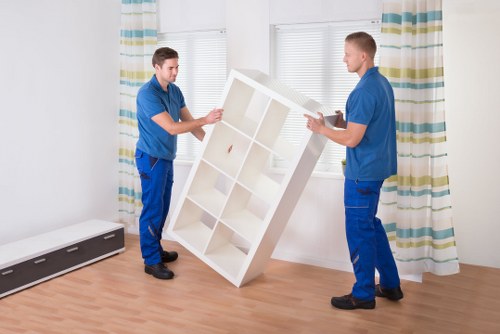
Choosing a local team for office removals Catford brings practical advantages. A company that regularly works in the area is more likely to understand local road patterns, typical building access, and the common issues that can affect timing. That local knowledge can be very helpful when planning loading arrangements or working around busy streets and limited stopping space.
Catford includes a mixture of commercial and residential streets, and many businesses operate close to busy junctions or shared premises. In some cases, parking for larger vehicles can be difficult, so timing and vehicle positioning need to be handled with care. A local mover will often be better prepared for these realities than a team unfamiliar with the area.
There is also the benefit of flexibility. A nearby removals team can often respond more easily to changes in timing, building access updates, or small adjustments to the moving plan. That can be especially useful for businesses that work around client appointments, school hours, or staggered staff attendance.
Local Knowledge Matters Because
- Parking space may be limited outside the building
- Access routes may be affected by traffic at certain times
- Some premises have narrow entrances or shared corridors
- Lifts, stairwells, and loading areas may need advance checking
- Moves may need to be timed around neighbours or nearby businesses
Local experience does not replace planning, but it strengthens it. When your removals team understands the area, they are better placed to protect your timetable and reduce avoidable delays.
Preparing Your Office for Moving Day

Good preparation can make the move smoother and help keep costs and disruption under control. Even if you are using a full removals service, there are still several things your team can do in advance to make the process more efficient. The aim is to make sure that items are clearly identified, essentials are easy to find, and the new office can be set up without confusion.
It helps to appoint one person, or a small internal team, to oversee the office move. That person can coordinate with the removals provider, answer questions from staff, and make decisions on packing priorities. This prevents duplicated effort and helps keep the relocation organised from start to finish.
Another useful step is to walk through the office and decide what really needs to move. Many businesses discover that they have accumulated old files, unused furniture, spare chairs, and outdated equipment. Sorting items before moving day can reduce unnecessary handling and make the new workspace feel more purposeful from the start.
Preparation Checklist
- Back up important digital files before any equipment is moved
- Label boxes by department, room, or priority level
- Separate essential items needed on day one from items that can wait
- Clear personal belongings and small valuables in advance
- Notify staff of the move timetable and expected access arrangements
- Check lift availability, access codes, and building rules if relevant
- Measure larger furniture and compare it with doorways and room sizes
- Set aside documents that need extra care or restricted handling
For many offices, this kind of preparation makes a real difference. It reduces time spent searching for items later and helps the move feel calm rather than chaotic.
Handling Office Furniture, Equipment, and Files
Office removals often involve items that need more care than general household furniture. Desks, filing cabinets, conference tables, monitors, printers, and IT peripherals all need careful handling, especially when they are being moved through stairs, tight corridors, or shared entrances. A dependable removals team will understand how to protect these items during loading and unloading.
Documents and files can be just as important as physical furniture. Many businesses still rely on paper records, archive boxes, signed paperwork, and compliance-related materials that must be kept organised throughout the move. That is why labelling and grouping are so useful. It is far easier to restore order at the new premises when the contents of each box are clearly identified beforehand.
Some equipment may need extra care due to size, weight, or fragility. While each office move is different, good handling practices include using suitable packing materials, securing items in transit, and making sure heavier objects are moved in a controlled way. If there are items that require specialist attention, it is sensible to mention them early so the move can be planned properly.
Common Office Items Moved
- Office desks, chairs, and meeting tables
- Cabinets, shelving, and storage units
- Archive boxes, files, and documents
- Computers, monitors, printers, and office accessories
- Reception furniture and waiting area items
- Kitchenette contents and breakroom furniture
- Presentation equipment and general workplace items
For businesses that operate with multiple departments, it can help to create a room-by-room plan so every item knows where it belongs on arrival. That makes the new space more usable from day one.
Access, Parking, and Other Local Moving Challenges
One of the biggest practical issues in any office removals in Catford project is access. Commercial premises may be easy to reach from the main road, but the actual loading point might be awkward because of parking restrictions, shared driveways, pedestrian areas, or building layouts. Planning around these details can prevent delays and frustration.
Parking can also be a challenge in busy parts of Catford and nearby districts. If a vehicle cannot be positioned close to the entrance, the move may take longer and require more carrying distance. A local team can help think through the best loading arrangements and make sure the right vehicle size is selected for the access available.
Some offices are in upper floors, older converted buildings, or shared business spaces. These settings may involve lifts, stairwells, security doors, or designated move-in periods. A good removals plan should take all of this into account so that the move can proceed without unnecessary disruption to other occupants.
Things to Check Before the Move
- Where the vehicle can safely stop or load
- Whether permits or building permissions are needed
- Whether there are time restrictions on loading bays
- How furniture will be taken in and out of the building
- Whether lifts are available and large enough for bulky items
- Whether key doors, gates, or corridors have width limitations
Access planning is one of the best ways to prevent avoidable delays. A local removals company that asks the right questions early is often the one best placed to deliver a smooth move.
Office Moves for Different Types of Catford Businesses
Catford has a broad mix of businesses, and that means office removals need to be adaptable. A small accountancy practice may want a quiet, end-of-day move with careful handling of filing and computers. A growing startup may need help transferring workstations quickly so the team can continue collaborating. A legal or professional office may need extra attention to paperwork and organisation.
Shared workspaces, consultancy offices, treatment rooms with administrative areas, and hybrid commercial premises all have their own needs too. Some businesses want a complete move with packing support, while others only need the transport and set-up phase. The best service is the one that matches the shape of the business rather than forcing it into a fixed format.
If you are moving within Catford or between Catford and a nearby business district, keeping the transition efficient can help preserve customer service and staff morale. Even a short-distance relocation can be stressful if it is not planned carefully, so it is worth treating the move as a structured project rather than a last-minute task.
Examples of Local Business Moves
- Small professional offices relocating to a larger suite
- Teams moving from a shared space into dedicated premises
- Businesses downsizing to a more suitable office arrangement
- Organisations moving archive rooms or storage facilities
- Retail or service businesses with back-office functions
Pricing Factors for Office Removals
Customers often want to know what affects the cost of an office move. While exact pricing depends on the specific job, there are several common factors that influence the quote. The size of the office, the amount of furniture and equipment, the distance between locations, and the level of packing support all play a part.
Access is another important factor. If there are stairs, limited parking, long walking distances from the vehicle, or awkward entry points, the move may take more time and require more labour. Likewise, moves that involve careful dismantling, multiple floors, or separate delivery stages usually need more detailed planning.
Timing can also affect the arrangement. Some businesses need out-of-hours moving, weekend relocation, or phased transfers to reduce disruption. These requirements can be accommodated, but they need to be discussed early so the schedule can be planned realistically.
Common Quote Factors
- Number of rooms or workstations being moved
- Quantity of furniture, boxes, and office equipment
- Level of packing and dismantling support required
- Distance between the old and new premises
- Access conditions at each site
- Timing requirements and move complexity
When asking for a quote, it helps to be as clear as possible about the office layout, the items involved, and any limitations at either property. That allows the removals provider to give a more accurate and useful estimate.
Areas Covered Around Catford
Office moves in Catford often involve surrounding parts of south east London, so it is helpful to work with a team that covers a wider local area. Nearby business and residential locations may include Lewisham, Hither Green, Forest Hill, Sydenham, Lower Sydenham, Grove Park, Bromley, Honor Oak, Bellingham, and the wider SE6 area.
This is especially useful when a business is moving from one neighbourhood to another while keeping the same client base. A local removals team can plan routes sensibly, work around traffic patterns, and handle the move in a way that suits both locations. If your office is moving from Catford to one of these nearby areas, or relocating into Catford from elsewhere, it is worth choosing a service with real local familiarity.
Local coverage matters because even a short journey can involve different access conditions, parking rules, and delivery constraints. The move may be small in distance but still significant in logistics.
Frequently Asked Questions
How far in advance should I arrange office removals in Catford?
It is best to plan as early as possible, especially if your move needs to happen outside normal working hours or at a specific time of month. Early planning gives more room to check access, organise packing, and avoid rushing important decisions.
Can the move be done outside office hours?
Yes, many businesses prefer evening or weekend moves to reduce disruption. If that is important to you, mention it early so the service can be arranged around your preferred timetable.
Do I need to pack everything myself?
Not necessarily. Some businesses prefer to pack in-house, while others want support with packing boxes, handling furniture, or preparing equipment. The right setup depends on your team size, your schedule, and how much assistance you want.
What if my office has limited parking or difficult access?
This is very common in and around Catford. A local removals team can factor in access constraints, vehicle positioning, stair use, and loading distance when planning the move.
Can you move filing cabinets, desks, and IT equipment?
Most office moves include standard furniture and equipment, provided the items are suitable for transport and the move has been discussed in advance. Any especially delicate or unusual items should be mentioned early.
What should I do with confidential paperwork?
Confidential documents should be sorted and labelled carefully before the move. Many businesses prefer to keep sensitive paperwork under internal control, while other files can be packed and moved as part of the general office contents.
Why Choose an Office Removals Service Instead of Doing It Yourself
Some businesses are tempted to manage an office relocation internally, especially if the move seems small. But once you account for lifting, transport, packing, access issues, furniture dismantling, and the need to keep operations going, it quickly becomes clear why a dedicated removals service is valuable. The aim is not just to move items, but to move them in a way that supports the business.
Using a specialist team also helps reduce the strain on staff. Employees can focus on their roles rather than on carrying boxes, solving loading problems, or worrying about damaged furniture. That can make a noticeable difference to morale, particularly during a busy transition period.
For local businesses in Catford, a professional office move can also reduce the risk of costly mistakes. If equipment is damaged, documents are misplaced, or the move runs late, the impact can be greater than expected. Working with a team that handles office relocations regularly is often the more practical choice.
What Customers Value Most
- Less disruption to the working day
- Careful handling of important items
- Clear planning and predictable timing
- Local knowledge of Catford and nearby areas
- A smoother start in the new office
Book Your Office Move in Catford
If you are planning a relocation and want the process handled with care, our office removals in Catford service is here to help. Whether you are moving a compact workspace or a larger business premises, the key is to plan early, pack sensibly, and use a local team that understands the area.
From access checks and furniture handling to delivery and placement at the new office, every stage should be organised around your business needs. That is what helps the move feel manageable and helps your team get settled sooner.
Request a free quote today, or book your service now if you are ready to start planning. If you are unsure what level of support you need, contact us today and we can help you think through the best approach for your Catford office move.
For practical, well-planned office removals Catford businesses can rely on, a local and experienced moving team makes the whole process easier.